Do I Have To?
...on cake flour

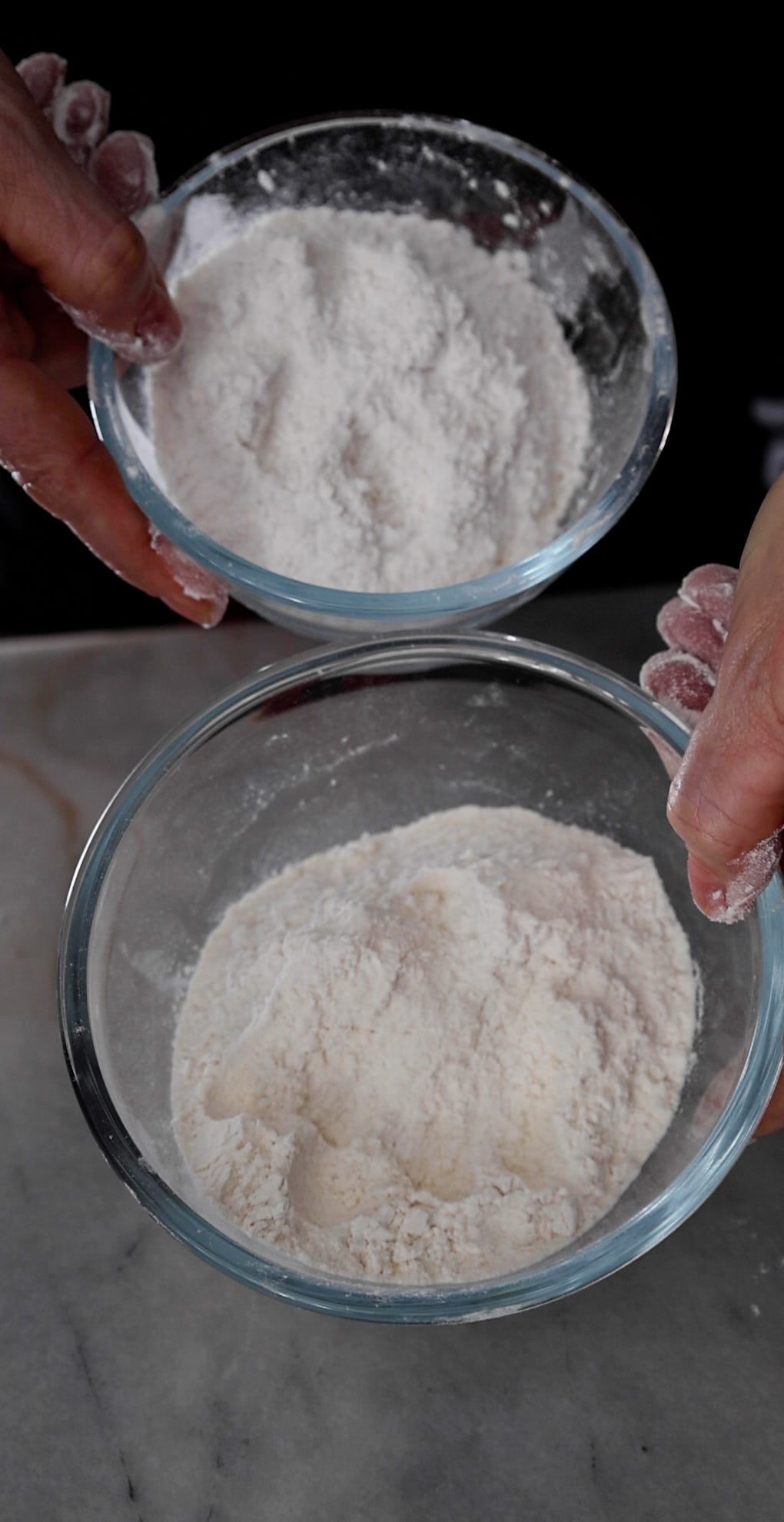
Do you really need cake flour? Is it that different? Why even bother?
Like so many things: it depends.
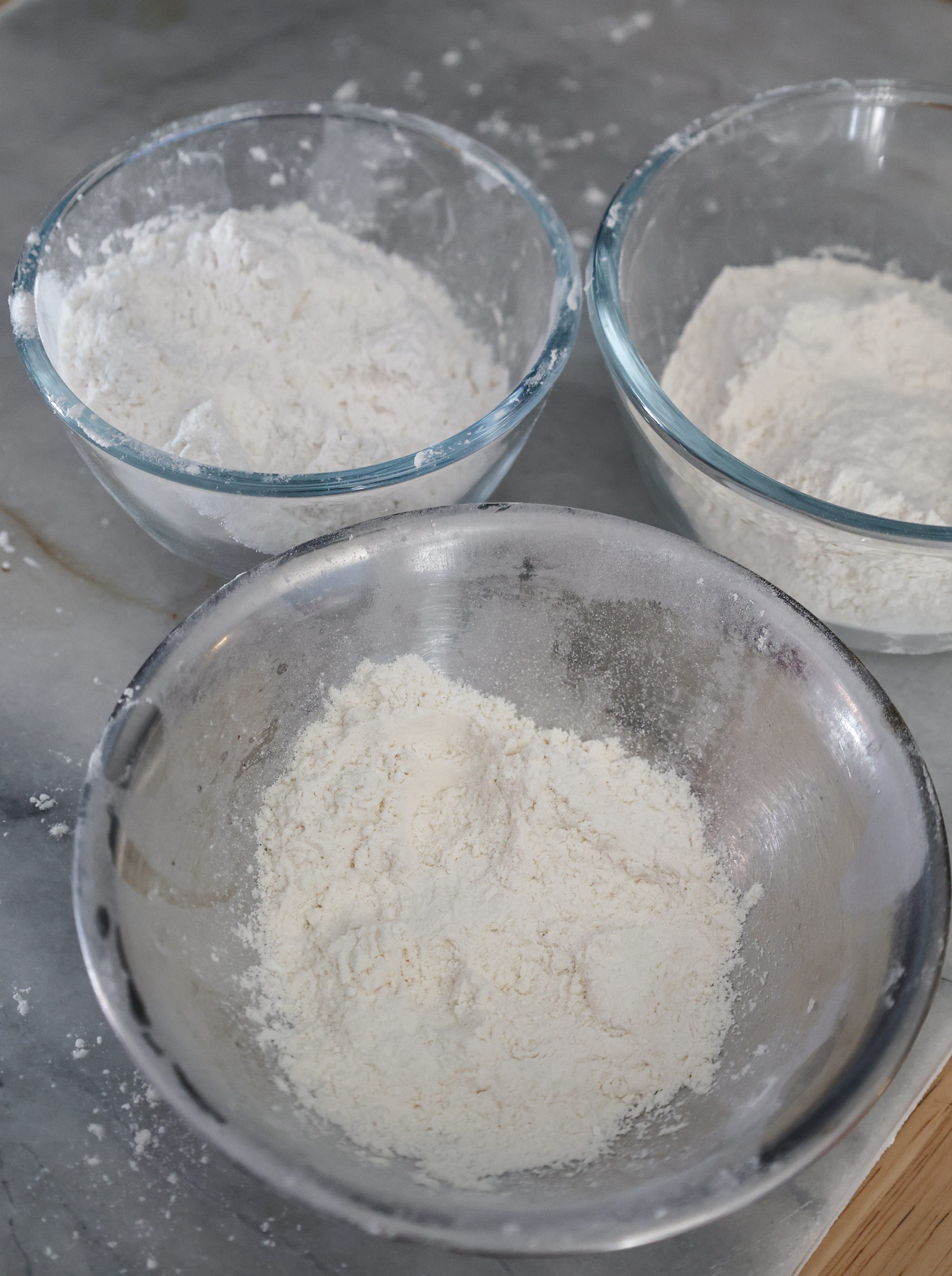
Cake flour is made with soft winter wheat, ground finer than its siblings. It contains less protein—usually around 7-9%—than all-purpose flour or bread flour. The more protein a flour has, the more potential gluten can be produced.
Pastry chefs have several key jobs, and gluten wrangling is one of them.
An intensive gluten network is essential for chewy bread. In a cake, it’s a dense, rubbery disaster. With lower protein and lower potential gluten, cake flour is more likely to create a tender crumb. Heavy hands can still ruin it, but it’s an insurance policy for an even, fine, tender texture—resulting in a better overall cake.
In some recipes, cake flour is the only flour used. Angel food cake, where tenderness is the key identity. In others, like my biscuits, I use part cake flour and part all-purpose. Biscuits are worked so little that only enough gluten develops to hold them together. The goal is tender, flaky, falling apart in your mouth. Using some cake flour helps control gluten development, along with working the dough as little as possible.
My motto: the key to great bakes—or great decoration—is to touch it as little as possible.
That can be really difficult at the beginning of a pastry journey. Knowing how and when to stop touching things is a skill worth refining.
Here’s the thing: for recipes that call for cake flour, it can’t simply be replaced with all-purpose without considering the rest of the recipe.
Cake flour is traditionally bleached. It’s rare to find unbleached cake flour, and I don’t think this is a bad thing. The bleaching process makes the flour brighter white in appearance, but more importantly, it changes the flour on a molecular level—allowing it to absorb and hold more liquid.
If a recipe calls for cake flour, it’s balanced for that. Just swapping in all-purpose can lead to a baking disaster.
And we have enough issues we’re using baking to escape from, right?
So: do you need cake flour? When the recipe calls for it and tenderness is the goal—yes. When you’re making sturdier cakes or have AP on hand and understand the trade-offs—you can make that call yourself.
Understanding what it does means you get to decide.
Have a baking question? Let’s chat…