

Kitchen Intuition

I’ve been teaching pastry and baking for over a decade, and the questions I get asked most aren’t about recipes. They’re about trust.
*Can I really skip the sifting? How do I know when the curd is actually set? What does “soft peaks” actually look like?*
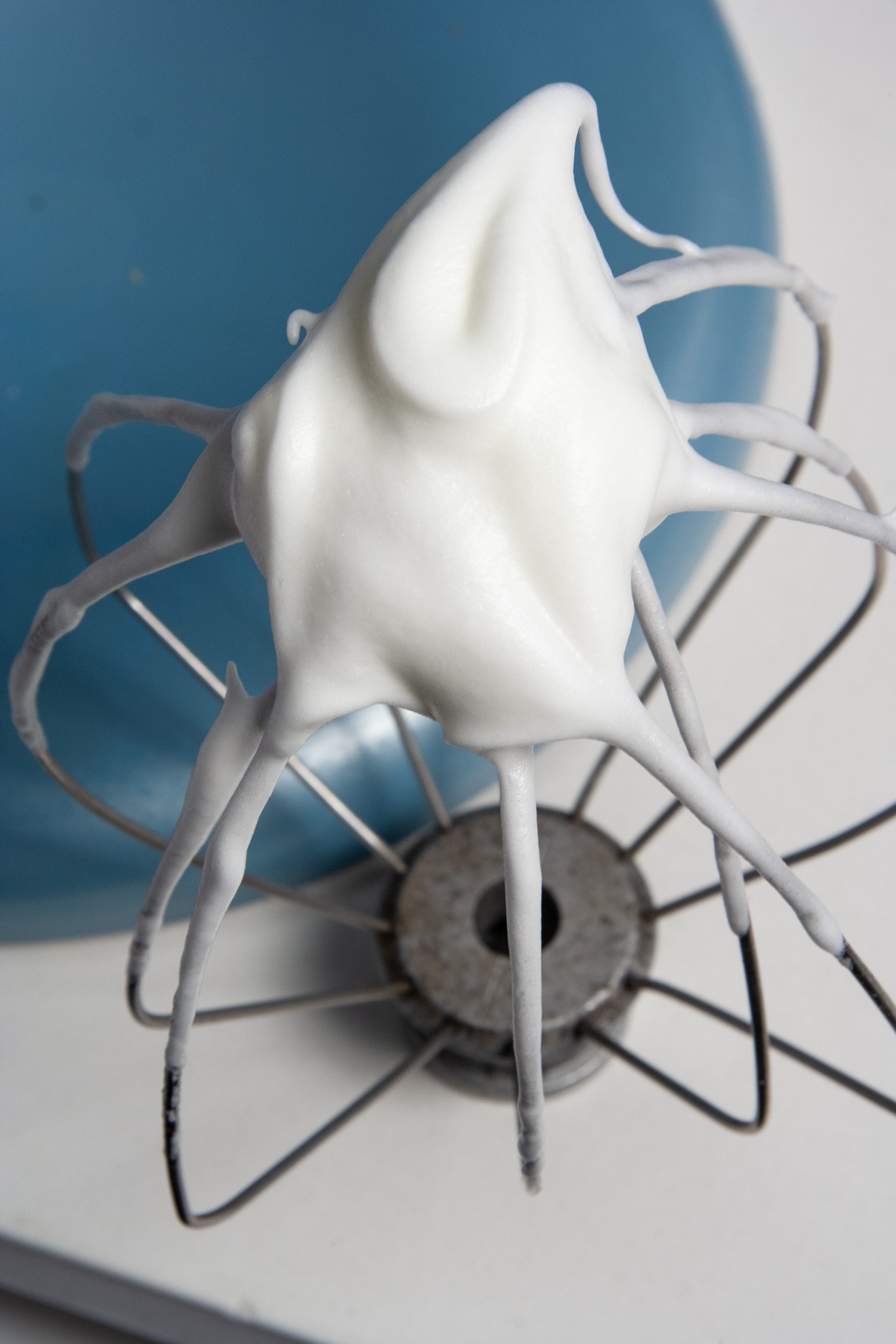
These are questions about developing intuition—learning to read your ingredients, trust your senses, and know when to follow the rules and when to break them.
That’s what Kitchen Intuition is for.
Every week, I’ll share one focused insight: a technique worth understanding, a rule worth questioning, or a moment when listening to yourself matters more than listening to the recipe. These aren’t full essays or complete recipes. They’re the things I’m always explaining at the bench—the practical wisdom that builds confidence in the kitchen.
Some will be permission slips. Some will be confessions. All of them will help you learn to trust what you already know.
Here’s the thing: we’ve all been taught that following instructions exactly is the path to success. Stay in the lines. Measure precisely. Don’t question the process. It’s how we learned in school, and recipe books reinforce it—every teaspoon accounted for, every step prescribed.
But baking isn’t about obedience. It’s a conversation between you and your ingredients. And conversations require listening—to the dough, to the smell in the room, to that quiet voice that says “wait, this doesn’t feel right yet.”
You already have good instincts. You’ve just been taught to follow the recipe instead.
Kitchen Intuition is your training in breaking that pattern. In trusting what you know. In becoming the kind of baker who can read a recipe and decide when to follow it and when to trust themselves instead.
This is your permission to stop performing precision and start practicing presence.
Welcome. Let’s begin.
You are exactly correct ! As observed from a previous perfectionist,💖🩷💜❤️
Powerful and exciting! Looking forward to more wisdom!!