

Recipe Intuition
And holiday baking…

Holiday baking was big in my family. It was its own gift economy. Some got presents, others got cranberry bread. We looked forward to my Aunt Steph’s cranberry bread each year. And then there were the things you ate and couldn’t say why.
Many years I would help Steph bake, and she would share her tricks with me. How her mother would lie her fingers on the dough in a certain way each time she made a cut. Years later Steph realized she was using her fingers to measure. She taught me how a piece of white bread in a storage box of cookies would keep them fresh. Steph is famous for her marble cake, and she was my first baking teacher. Her bakes were were from scratch, and not from a box or tube. I definitely enjoyed cutting rounds of a cookie dough log into triangles, but what Steph did felt special, more of the effort that the holidays inspired.
Most of Steph’s recipes worked perfectly. One didn’t. I was living in New York, no thought of baking and cakes in my mind at all. Inspired to make my friend’s 30th birthday cake I requested a recipe. She dictated it to me over the phone and I copied it down word for word. When I read it back later, I noticed it has a dozen eggs. Without knowing why, I knew that felt weird. So I confirmed it with Steph a second time. Maybe we both neglected to discuss the method. Or maybe the recipe was just crazy. Either way, I brought a cake to my friend’s birthday party that was both ugly and inedible. Win win. Shira Lee’s favorite color was green, and I used green alright. The visual of the kelly green icing is still burned in my brain.
I’m happy to say that I’ve gotten better than that first attempt, at baking, at understanding recipes, and at knowing why I want to make something. These days, millions of recipes are at our fingertips, but how do you know which ones are worth your time, your butter, and your best eggs?
How it Started
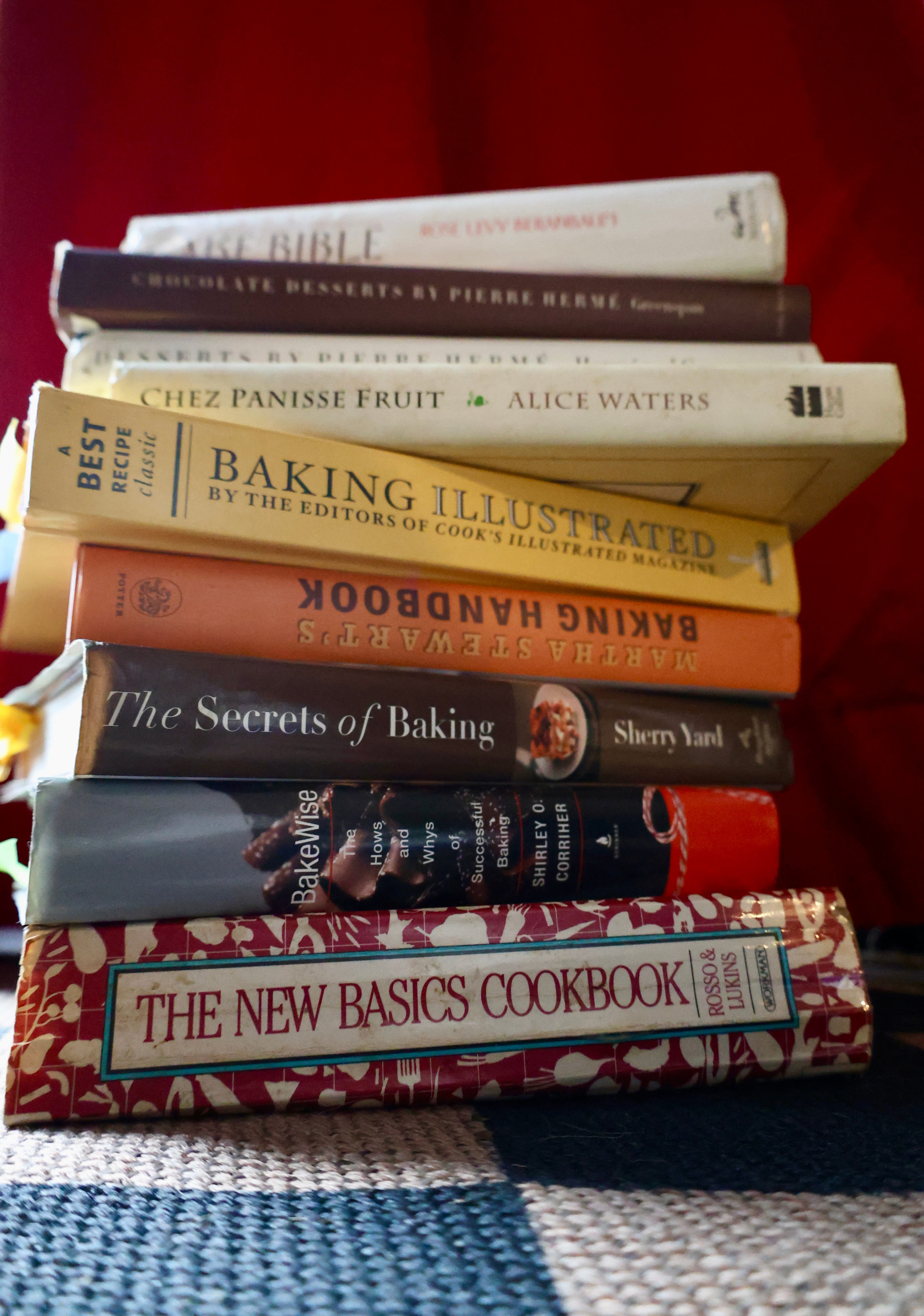
I first learned to cook in the 90’s with a few trusty books. My copy of The New Basics Cookbook, by Julee Rosso and Sheila Lukins was my bible for years. It’s where I found my love of sun-dried tomatoes, learned how to make risotto. This book is part of my culinary DNA.
Then came food television. Back then, it was wonderfully instructional, full of chefs who actually taught. I watched, absorbed, practiced, and realized I wanted to do what they did.
I didn’t intend to change careers. I already had one that I couldn’t see myself leaving. I went to pastry school for fun on weekends. Deep down, I knew that one day one would just simply win out over the other, and that’s exactly how it went.
My best education came from teaching. Watching others do things wrong - in ten different ways with ten different results- taught me more about baking than anything else. Having to explain what I instinctively understood forced me to articulate the why. And when I couldn’t answer a question, I’d found my next deep dive.
Years of learning and teaching have given me an intuitive understanding of recipes. I can read a title and an ingredient list and know, more or less, what the final product will be like. When it feels right, I make it. And I want to help you build that same intuition, so you can choose recipes that suit you. Baking isn’t just following rules; it’s a conversation between you and the ingredients. Spend some time getting to know them, and the chat will be more interesting.
Books
There are great books and blah books. To start, stick first to the best of. The tried and tested, chefs who have researched and been doing it a long time. Find someone you admire, who’s food appeals to you, and stick with them.
The Cake Bible by Rose Levy Beranbaum
The Cookie Bible by Rose Levy Beranbaum
Dorrie Greenspan (plus Pierre Herme if you want to get really chefy)
Baking Illustrated by America’s Test Kitchen
Martha Stewart’s Baking Handbook is essentially pastry school in a book.
Fruit or Chez Panisse Dessert by Alice Waters
The Secrets of Baking by Sherry Yard
Each of these bakers has spent decades testing, refining, and teaching. Their recipes are trustworthy maps — you’ll still have to walk the terrain, but they’ll get you where you want to go.
Online
The internet is a dangerous place for recipes. What works for one person, in their specific circumstances may not be repeatable. There is little guarantee that online recipes have been tested by more than one person, or that the person who wrote it didn’t get it from someone else entirely.
To start, stick with sources that have earned their reputations through years of consistency and rigor.
New York Times (paywall)
America’s Test Kitchen (paywall)
Even then, start small. Test an easier, low-cost recipe before you reach for the Sicilian pistachios. Take notes — real notes, not just mental ones. Trust me, you won’t remember. I can’t even read my own handwriting half the time, so the Notes app is my best friend. After a successful bake, try another. That’s how intuition builds — one recipe at a time.
Kitchen Intuition
You’ve found a recipe that calls to you. Before you preheat the oven, look closer. A recipe tells a story — about the baker, their palate, and their intention. Here’s how to read between the lines.
Sugar to Flour Ratio
What’s the ratio of sugar to flour? Is the sugar less than, equal to, or greater than the flour? That simple balance tells you a lot — sweetness, tenderness, moisture, structure.
A cake with less sugar than flour may dry out faster and taste more like a muffin. More sugar often means a tighter, moister crumb.
And what kind of sugar is it? White sugar brings clean sweetness and crunch. Brown sugar carries molasses — moisture, depth, and richness. The darker the sugar, the bolder the flavor.
Liquid
What liquid anchors the recipe? Water, juice, milk, sour cream, buttermilk?
Water adds moisture but no flavor. Juice adds subtle flavor - sometimes too subtle to carry through the bake. Milk adds creaminess, milk sugars, and the promise of browning through the Maillard reaction. Fat is a flavor carrier; it lingers on the palate, warming and unfolding flavor notes.
Sour cream and buttermilk are acidic — flavor amplifiers that also thicken batter, creating denser textures. That’s perfect for a pound cake but rarely seen in a sponge.
Butter or Oil
Oil cakes are often softer and stay moist longer. Butter cakes firm when cold making them better for carving and structure. The richer the butter ratio, the more it melts on your tongue. Don’t fear the butter. A small piece of something rich can be more satisfying than a large portion of something lean.
For chocolate cakes, I prefer oil. Its neutrality lets the cocoa shine. Olive oil, though, is all about itself — grassy, fruity, and peppery. I wouldn’t waste it in a chocolate cake; the flavors would fight instead of flirt.
Salt
Salt belongs in every single sweet. It doesn’t make things taste salty, but rather more like themselves. Leave it out and something will always feel missing. If a pastry recipe omits salt, I always add at least a pinch.
A missing salt line might also hint at a different palate than mine — a clue that the recipe may not suit me overall.
Flavor Boosters
What extras are invited to the party — vanilla, lemon zest, liquor, almond extract? How much flavor is built in relative to the flour? Trust your instincts: does it sound bright enough, fragrant enough?
My mother-in-law’s blueberry cake was my husband’s favorite. When I made it, I changed three things: I converted it to weights, added salt, and added lemon zest. She thought it was a different cake, and it was. But to me, the flavor sings.
Measurements
If you’re even slightly serious about baking, get a scale. It’s not fussy; it’s freedom. Grams make consistency effortless.
Give ten people a measuring cup and you’ll get ten different “cups” of flour. That’s often why an old family recipe doesn’t turn out the same — it’s not the magic missing, it’s the math.
Instructions
All this from just the ingredient list — but what about the method? An experienced baker understands “cream the butter and sugar” by heart, but what about the less familiar steps? Are they clear? Are there visual cues?
My grandmother dictated her pierogi recipe, “Add some flour, some milk, and some salt. Mix it to form a soft dough.” That was it. I didn’t try to make it until after she had passed and I was on my own. I’m okay with that. Are you?
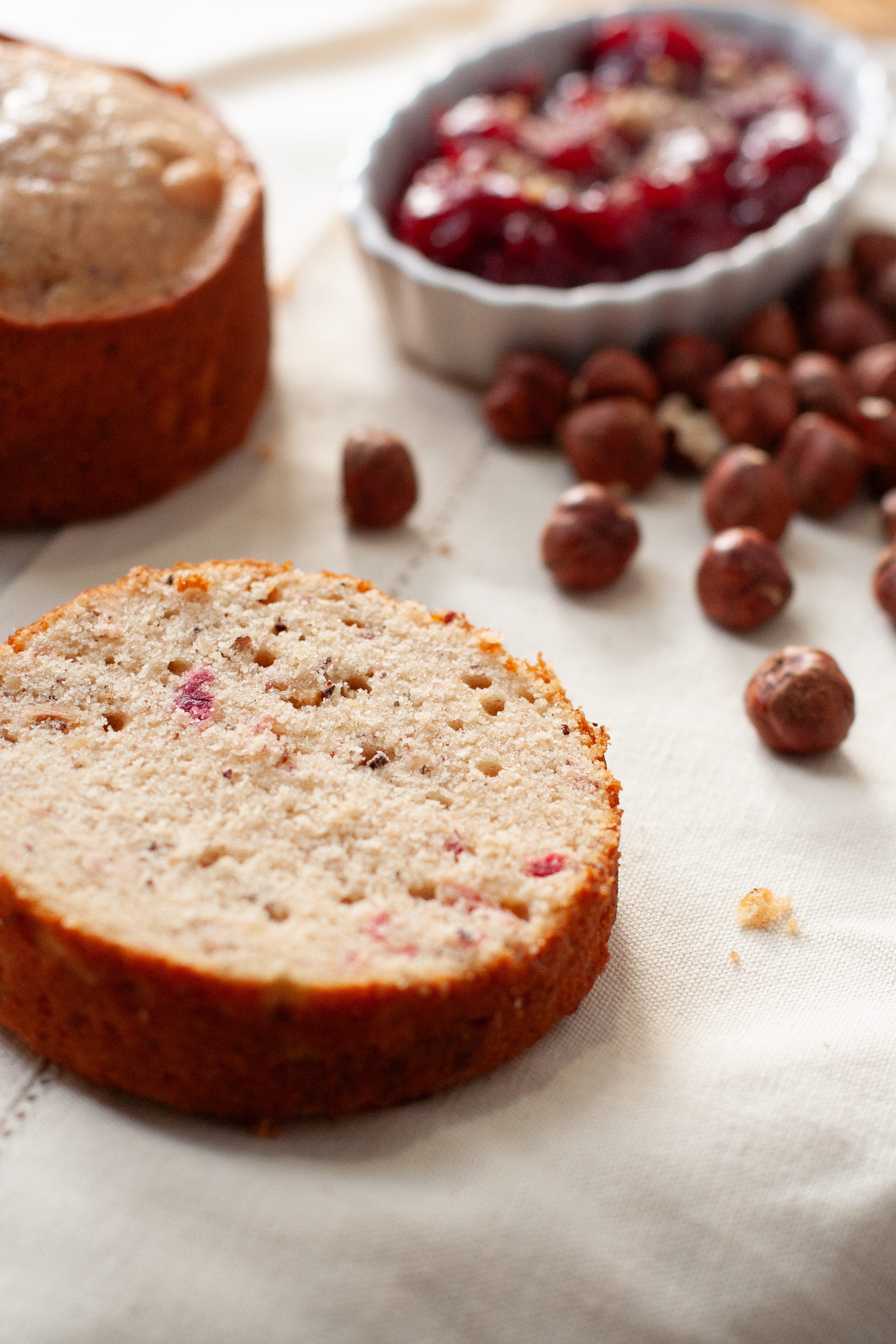
This holiday baking season, I encourage you to try a new cookie or cake, find a new author to inspire you, and to expand your baking repertoire, and your kitchen intuition while at it. Maybe one day your recipe will become someone looks forward to each year.
Well now we need that blueberry cake recipe! I love this post. It’s always great to see competency in any field, and it’s no different here. I love how much you can tell from simply reading a recipe. The amount you can tell it a honed by years of experience and knowledge — us mere home cooks aspire to that level of recipe literacy. I do, at least.